By Deveen Balasuriya
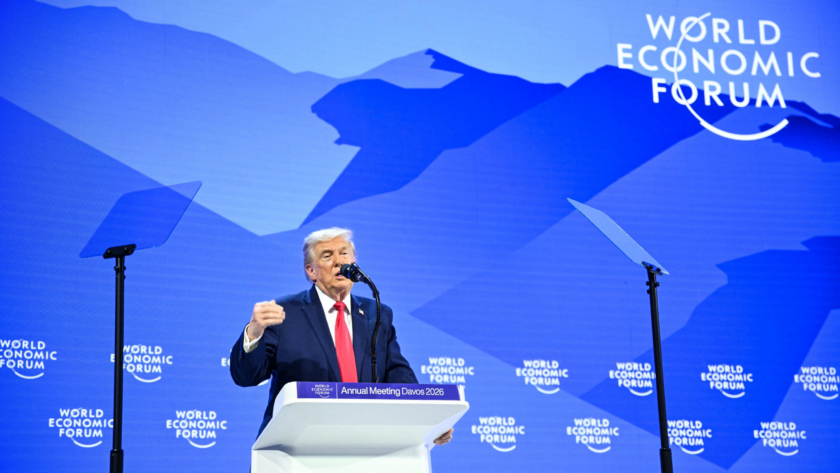
France, once viewed as a cornerstone of European political stability, is currently enduring one of the most chaotic times in its recent democratic history. In less than two years, the country has cycled through five prime ministers, each falling due to the same persistent issue; a divided parliament and a fragmented electorate…
by Saritha Irugalbandara
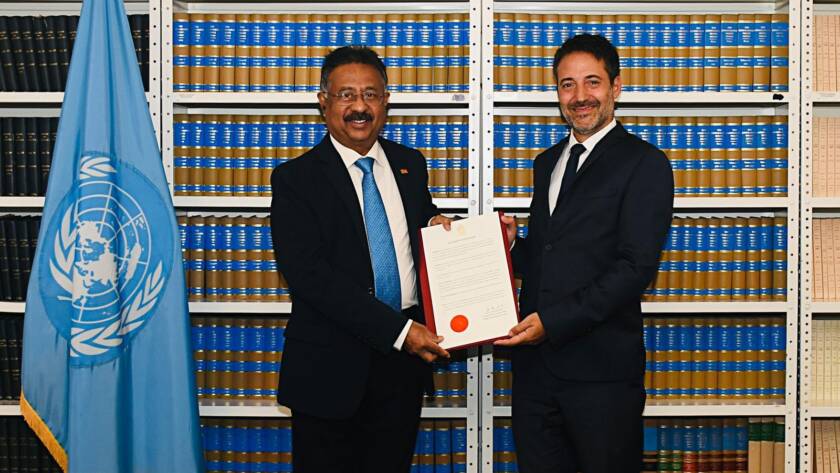
On 21 September, 108 years since the United Kingdom (UK) issued the Balfour Declaration in support of establishing a Jewish ‘homeland’ within Palestine, Prime Minister Keir Starmer announced that the UK officially recognises the State of Palestine. The announcement came ahead of the 88th session of the United Nations General Assembly and…
By Sarala Hapugalle
In 2022, a video of Ukrainian President Zelensky was shared, urging troops to lay down their arms and surrender to Russia. In the 2024 US election, another video was circulated - this time of President Joe Biden - seemingly encouraging democrats not to vote in the presidential primary elections and to instead…
By Omar Rajarathnam
Centuries under the rule of a King, a Maoist overthrow, decades under corrupt civilian rule, Nepal’s take over by its people in September 2025 came overnight as its police gunned down over 19 youth. Many international media have portrayed the protest as a social media ban triggered Gen Z uprising, this is…
By Dr. Viranjana Herath
Recently, three South Asian nations, Sri Lanka, Bangladesh, and Nepal, have marked a significant chapter in modern world history through a theme of public uprising. In 2022, the people of Sri Lanka successfully ousted the top leaders of their government, President Gotabaya Rajapaksa and Prime Minister Mahinda Rajapaksa. Nevertheless, the new…
By Verangika Upananda
Earlier this year, a nationwide blackout was famously triggered when a monkey entered a substation, highlighting the grid's continued instability. Blackouts, unpredictable supply, and the constant uncertainty of policy decisions demonstrate that Sri Lanka’s energy system is still struggling to keep pace with its ambition to achieve 70% renewable energy by…
By Madhuka Rukmalgama
Introduction
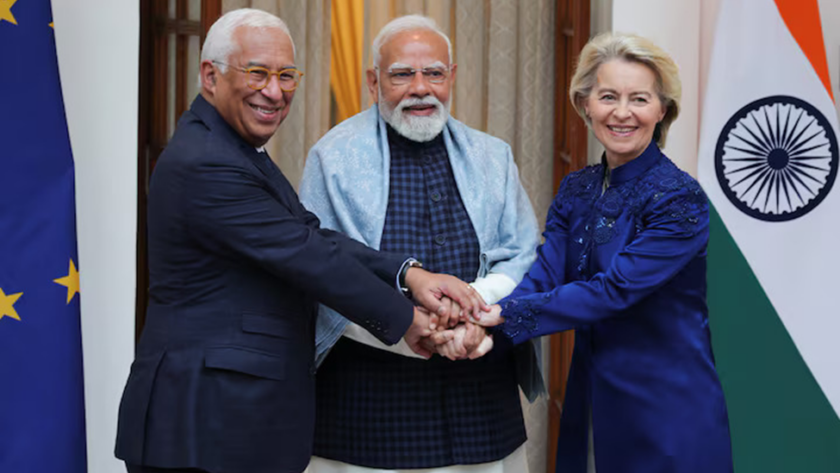
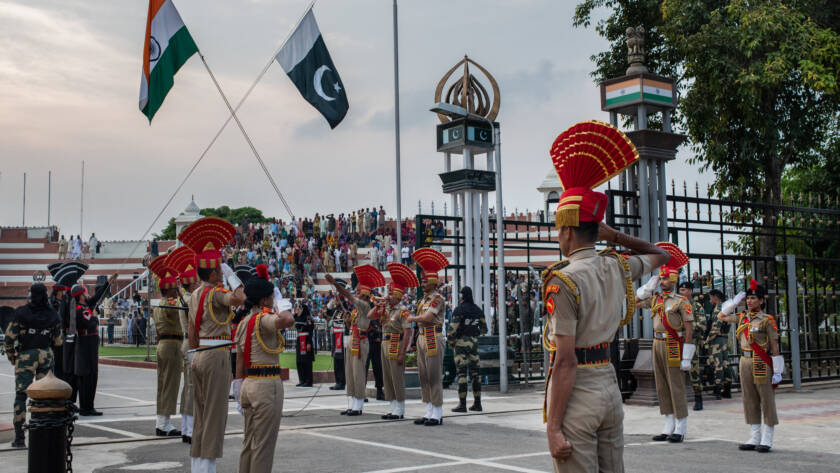
In 2025, Washington’s decision to dramatically increase tariffs on Indian goods up to 50 per cent, sent shockwaves across markets and strategic capitals alike. Initially targeted at curbing New Delhi’s Russian oil purchases and addressing trade imbalances, the move is producing unanticipated diplomatic reverberations. Rather than consolidating India's ties with the…
By Chenuka Elwitigala
Introduction to Right-Wing Populism
Right-wing populism refers to the political ideology which unifies right-wing politics with the populist rhetoric often dubbed as right-wing nationalism. This rhetoric often reflects the anti-establishment sentiment in politics objecting to the elite capture of power in government and opposing establishment media escalating disconnection from the real people…
By Kashia Dias
Although a conversion to wind power might sound essential to future-proofing Sri Lanka’s energy systems, the extension of a wind power plant in Mannar has faced opposition by residents, who claim it threatens their environment and livelihoods.
At the beginning of August this year, the second phase of the Mannar…
By Deveen Balasuriya
For over the decades, border between Thailand and Cambodia has been more than just a line on a map. It has been a fault line where history, culture, and politics collide. That tension erupted violently again in mid-2025, resulting in the bloodiest cross-border fighting between the two countries in over a decade.…
Factum, in collaboration with Democracy Reporting International (DRI), will monitor and analyse online political discourse and elections and report harmful content online (e.g. inauthentic behavior, disinformation and hate speech incidents) to tech platforms.
The project is funded by the European Union (EU) and it will implement digital democracy activities in Sri Lanka until 2026. …
Last year, 12 digital rights organizations across South Asia, including Factum, came together in Kathmandu to exchange lessons and learnings amid rising state-sanctioned and platform-mediated technology authoritarianism in the region. The discussions tackled a broad range of issues, from repressive digital laws and policies to whether or not existing models of platform accountability are working…