By Aakil Riyaz
A Ceasefire Written in the Sand
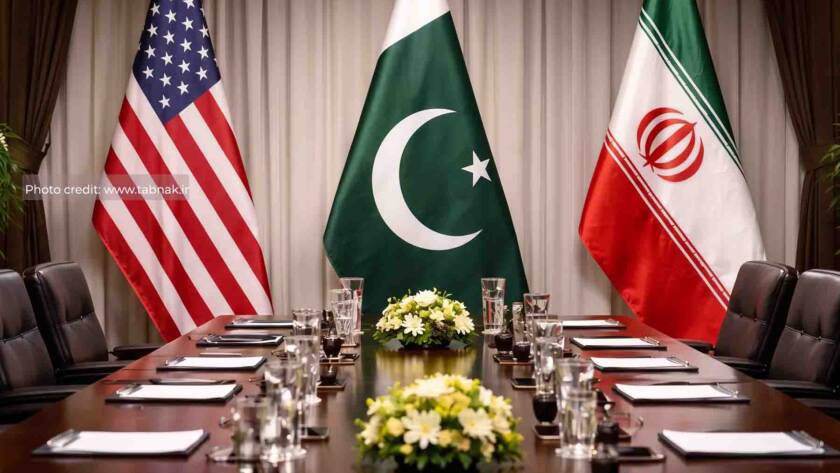
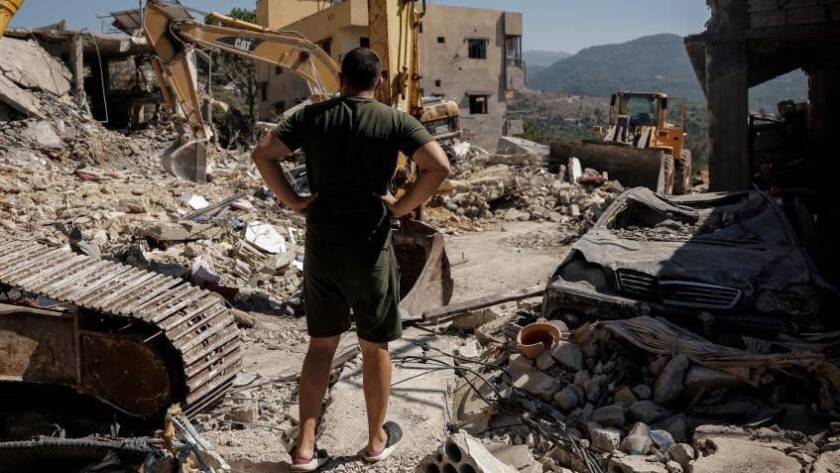
On 8th April 2026, the United States and Iran agreed to a two-week ceasefire, brokered by Pakistan. Both sides, however, presented narratives far removed from what had really taken place.
Iran claimed that it had forced the United States to the table, while Washington insisted that…
By Verangika Upananda
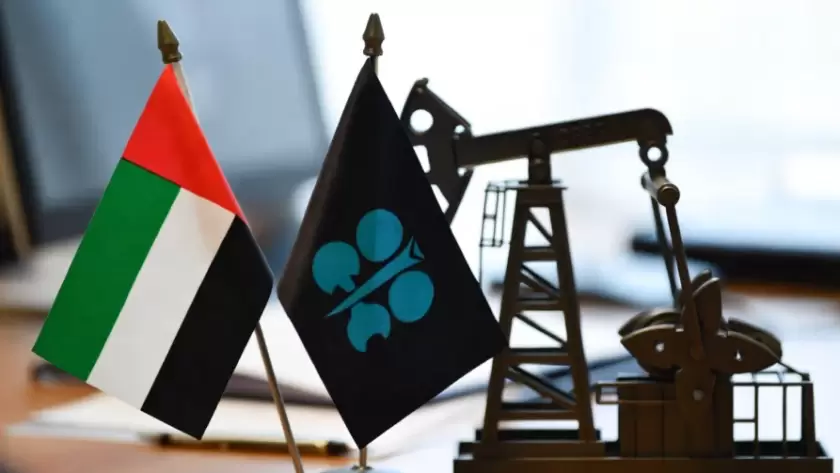
Based on recent official announcements and global developments, as of May 1, 2026, the United Arab Emirates (UAE) has formally withdrawn from the Organisation of the Petroleum Exporting Countries (OPEC) and the broader OPEC+ alliance. This marks a historic shift in global energy politics, bringing an end to the UAE’s membership that…
By Nazia Afrin Monami
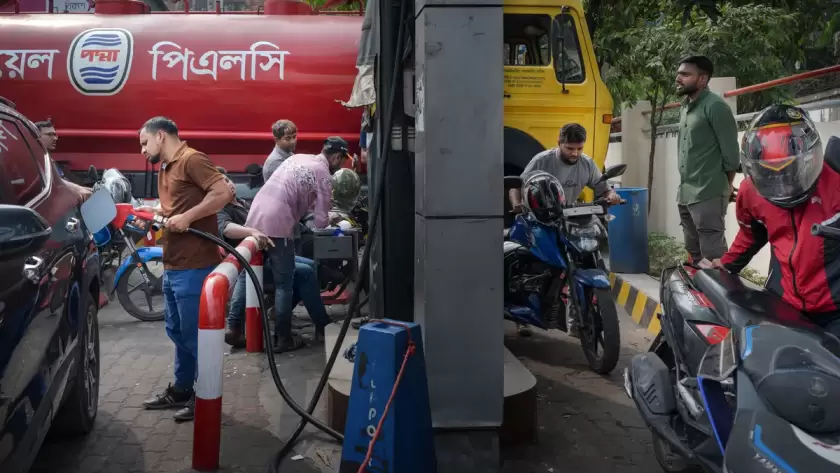
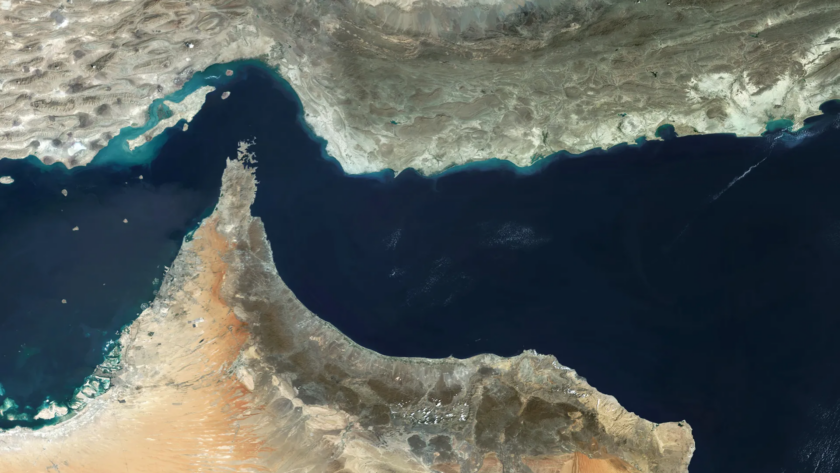
On 28 February 2026, the United States and Israel launched strikes on Iran killing Supreme Leader Ali Khamenei in the opening hours of a conflict that is being described as the largest global supply disruption since the 1970s energy crisis. Tehran retaliated. The Strait of Hormuz, through which roughly a fifth…
By Gobinath Ponnuthurai
As of March 2026, the intensification of the US-Israel-Iran conflict has moved beyond a regional security crisis, evolving into a protracted systemic shock—a “Long Quagmire.” This article argues that we are witnessing the terminal phase of unipolar economic governance. The conflict has created a profound governance vacuum where the West’s ability to…
By Nazia Afrin Monami
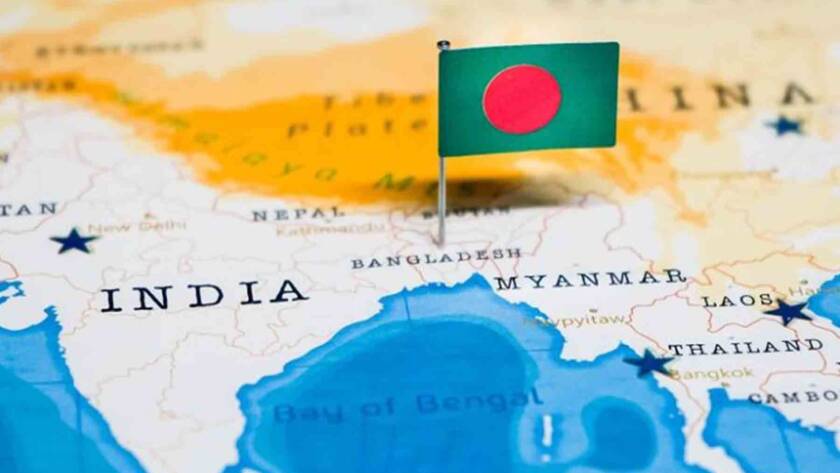
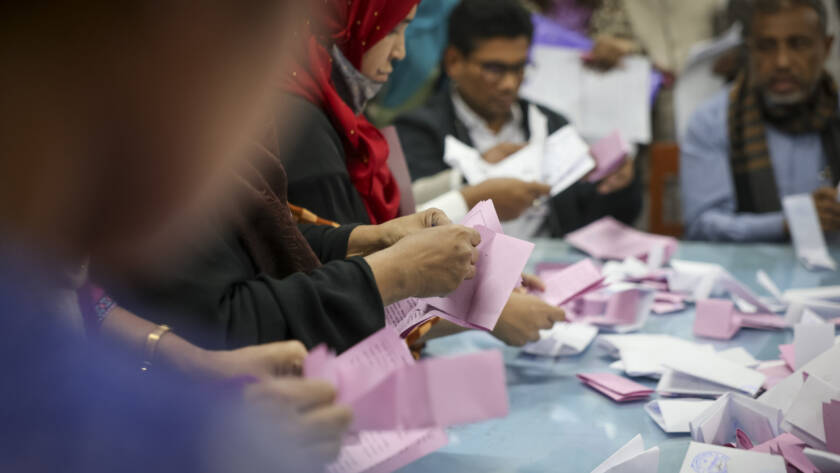
Every election in Bangladesh is about power. But it is also about something quieter and far more complicated - a contest over who gets to define the nation and who gets counted as part of it.
Watching the most recent election unfold, I kept returning to a strange feeling. The political…
By Professor Prasanna Perera
Context:
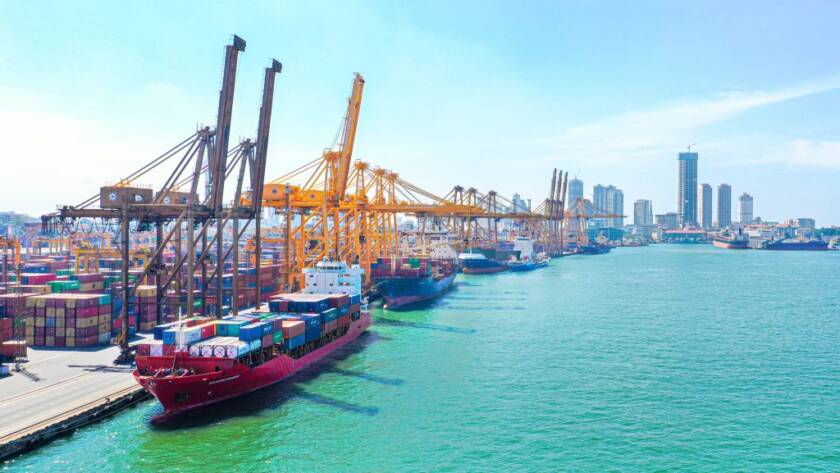
After the severe macroeconomic crisis of 2022, which led to sovereign default, foreign exchange shortages, and the largest economic contraction in the country’s post-independence economic history.
At present, Sri Lanka’s inflation has dropped from 70% to only 2-3%, and GDP growth increased to 4-5% from a negative growth. Stabilization has…
Factum Perspective: Shockwaves from the Strait: The Implications of a US–Iran Conflict for Sri Lanka
By Devmini Bandara
In an increasingly interconnected world, wars rarely remain confined to the battlefield. Conflicts between major powers reverberate through global markets, supply chains, and political institutions, often impacting countries far removed from the immediate theatre of war. For the Global South, and particularly for small, import-dependent economies like Sri Lanka, the consequences…
AN ANALYTICAL DISCLOSER OF STATUS AFTER THE ACTION AT SEA
By Rear Admiral YN Jayarathna (Retd)
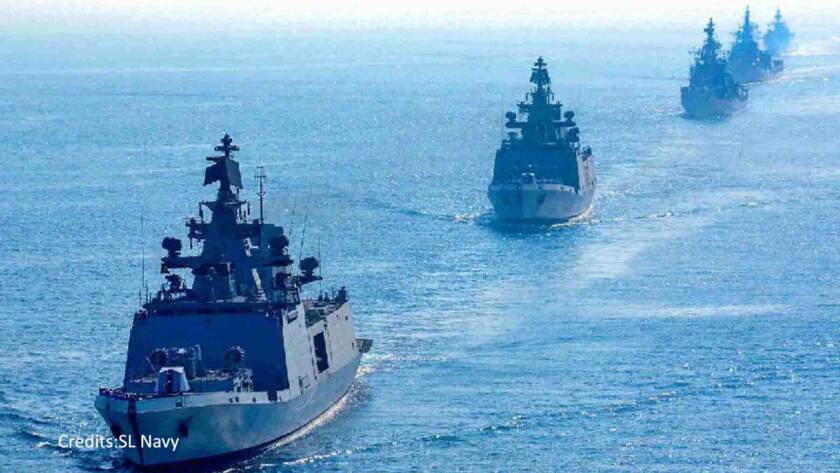
This is an After-Action Analysis1 of the sinking of IRIS (Islamic Republic of Iran Ship) Dena F75, a Frigate Class warship that was torpedoed on 4th March 2026 in Sri Lanka’s maritime jurisdiction. The incident happened outside the territorial waters, yet within…
By Dinouk Colombage
As the conflict with Iran enters its second week, the threat of an expansion of the theatre of war from the Middle East into surrounding regions has become a very grave possibility. This last week saw U.S. military operations extend beyond the Gulf and into the Indian Ocean, violating the 1971 U.N. Declaration…
Factum Perspectives: Sovereignty on Sale: Trump, Greenland, and the Unmasking of Superpower Ambition
By Zeenath Ayub
In the 21st century, a global landscape seemingly long removed from the era of imperialist expansion has been jolted by a sudden revival of old-world territorial ambitions. This shift was brought into sharp focus by the explicit interest of US President Donald Trump in the Arctic island of Greenland – a move that challenged modern…
By Aakil Riyaz
The Biodiversity Beyond National Jurisdiction (BBNJ) Agreement entered into force on 17 January 2026, marking a significant shift in how the international community governs Areas Beyond National Jurisdiction (ABNJ). For a littoral state such as Sri Lanka, whose economy, environment, and maritime security are intertwined with the Indian Ocean, the agreement goes…
Written by Tarun Perera
South Asia is routinely portrayed as one of the world’s most unstable regions, due to it being the location of nuclear rivalry, a hotspot for radicalized militant groups, and a geopolitical landscape where some of the most intractable territorial disputes in modern international politics remain unresolved. Despite the frequent escalation dynamics and internal…