By Zeenath Ayub
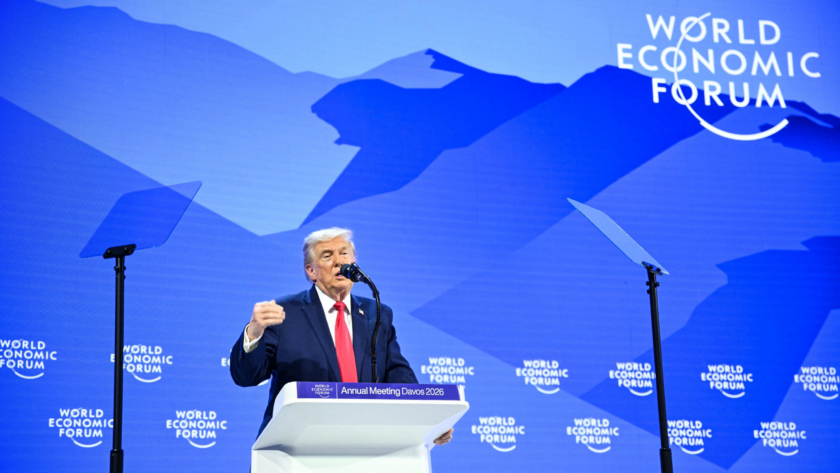
In the 21st century, a global landscape seemingly long removed from the era of imperialist expansion has been jolted by a sudden revival of old-world territorial ambitions. This shift was brought into sharp focus by the explicit interest of US President Donald Trump in the Arctic island of Greenland – a move that challenged modern…
By Aakil Riyaz
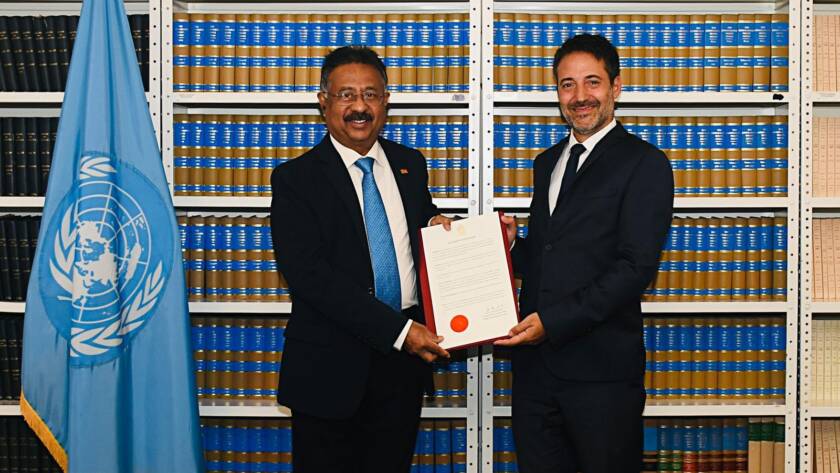
The Biodiversity Beyond National Jurisdiction (BBNJ) Agreement entered into force on 17 January 2026, marking a significant shift in how the international community governs Areas Beyond National Jurisdiction (ABNJ). For a littoral state such as Sri Lanka, whose economy, environment, and maritime security are intertwined with the Indian Ocean, the agreement goes…
Written by Tarun Perera
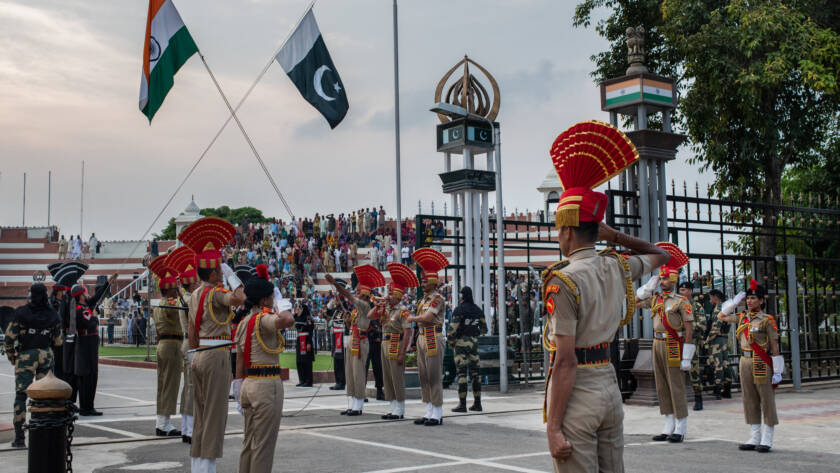
South Asia is routinely portrayed as one of the world’s most unstable regions, due to it being the location of nuclear rivalry, a hotspot for radicalized militant groups, and a geopolitical landscape where some of the most intractable territorial disputes in modern international politics remain unresolved. Despite the frequent escalation dynamics and internal…
By Gargi Wickramasinghe
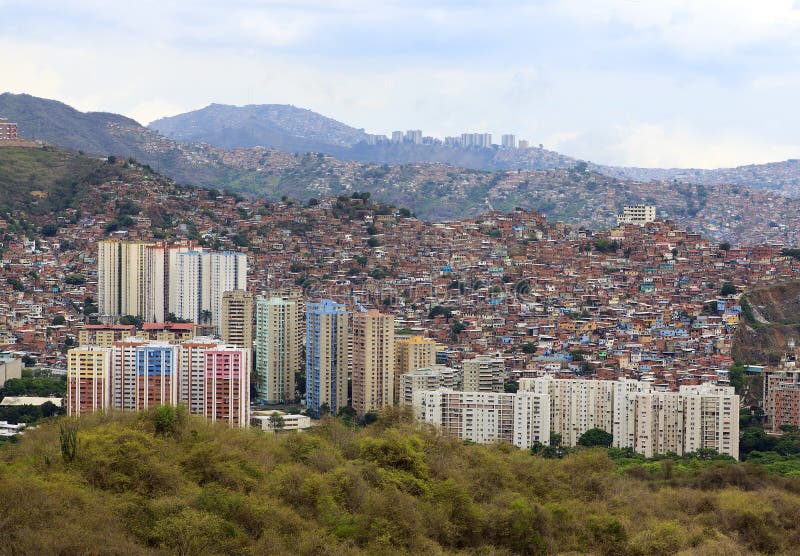
Shockwaves rippled across Caracas, when news broke of Operation Absolute Resolve. But the tremor did not stay there. It began travelling outward, across the Caribbean and the Pacific until it hit perhaps the most precarious geopolitical fault line in our region: the Taiwan Strait.
The United States had demonstrated in the starkest possible way, that when it believes its strategic interests are at stake, it will act unilaterally, without waiting…
By Gargi Wickramasinghe
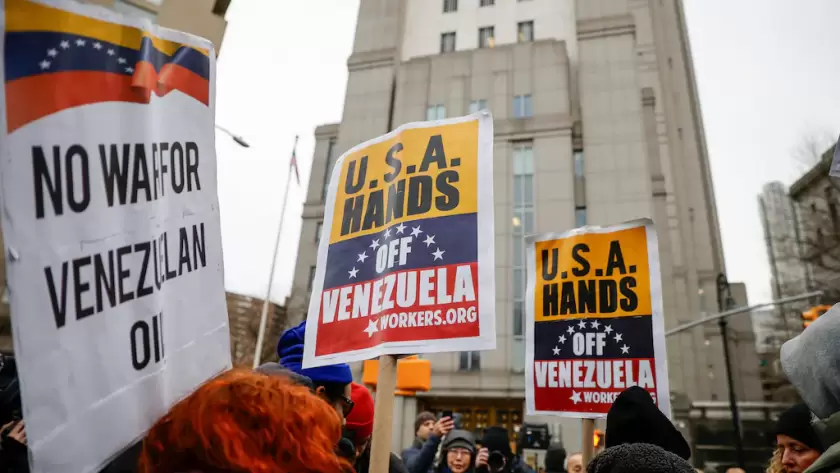
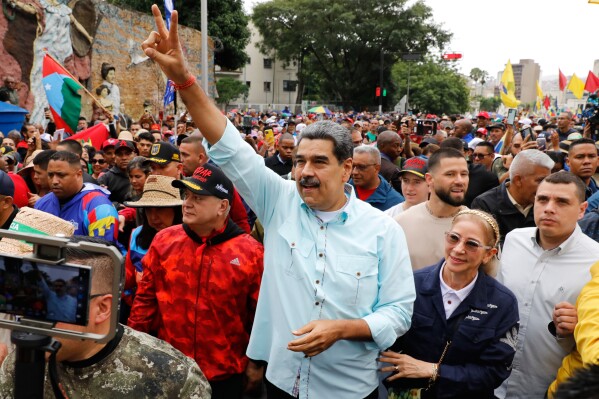
In the morning after the removal of Venezuela’s disgraced President Nicolás Maduro by U.S. special forces, an emotional Chavista woman protesting in the streets of Caracas was filmed saying: “Stay alert because they are not coming for us. They are coming for our oil - and they are coming for you too.” Her warning carried the weight of history: “Understand this -what they want…
By Shiran Illanperuma
For Venezuelans, the new year began with the US illegally bombing its civilian infrastructure and kidnapping democratically elected President Nicholas Maduro and First Lady Cillian Flores.
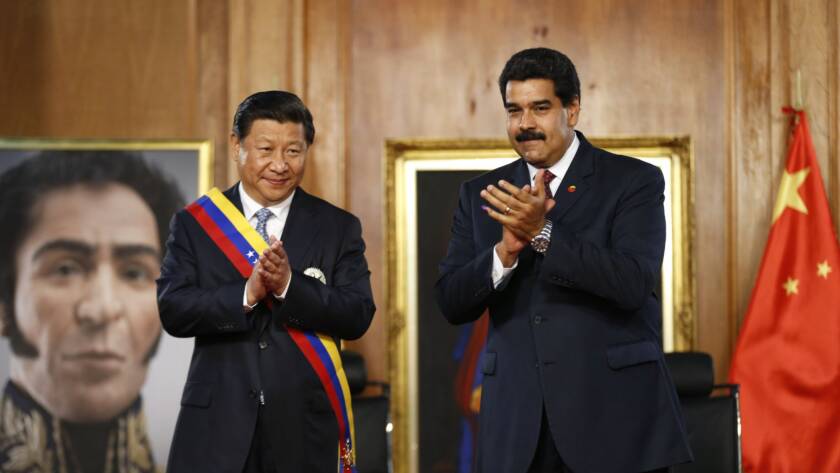
Hours before the attack, President Maduro met with a Chinese delegation sent by President Xi Jinping. This delegation included Special Envoy for Latin America and the Caribbean Qiu Xiaoqi, Director of the Ministry of Foreign Affairs for Latin…
By J. Abeywickrema
Who rules when rules disappear?
A single man and a small circle of his closest aides, unknown even to the House of Congress, took it upon themselves to attack a sovereign nation, seize its Head of State and assume control over its administration; and the world is apparently expected to accept this as normal.
At a carefully choreographed post event media appearance, US President Donald…
By Gobinath Ponnuthurai
Episode 1: The Minority Mandate – Why 25% is Not a Democracy
In the lexicon of modern political science, “democracy” is often used as a binary—a state either is or is not. But for those tasked with the cold reality of policy design and institutional stability, we are witnessing the emergence of a third, more dangerous…
By Jayson Cainglet
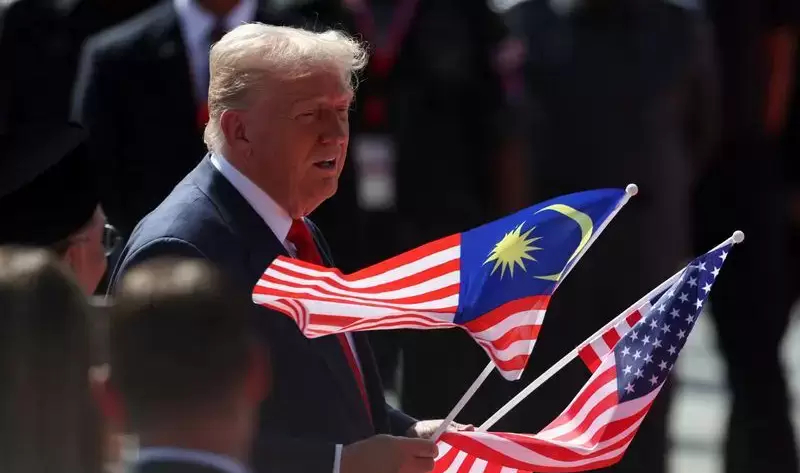
When U.S. President Donald Trump returned to the world stage at the 47th ASEAN Summit in October, his message was loud and clear: America is open for business—but only on his terms.
While headlines focused on the spectacle of Trump’s renewed bravado and China’s call for free trade, the real action happened behind closed doors. In…
by Saritha Irugalbandara
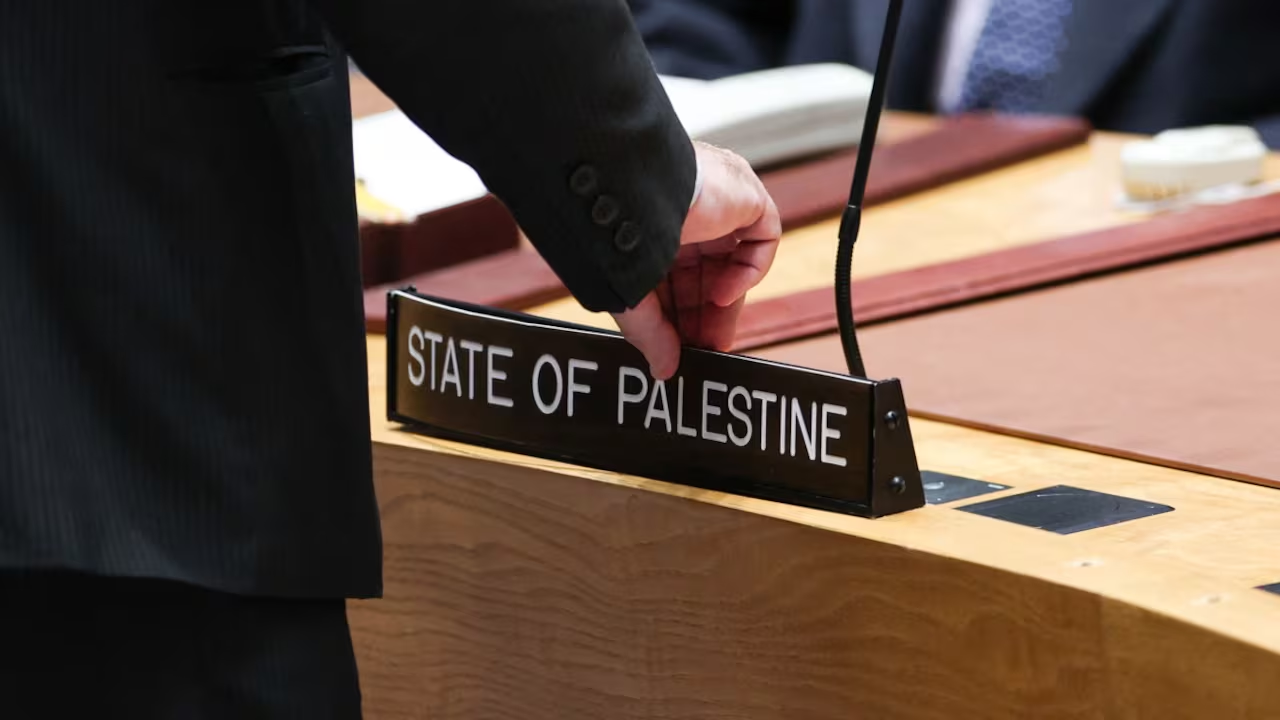
On 21 September, 108 years since the United Kingdom (UK) issued the Balfour Declaration in support of establishing a Jewish ‘homeland’ within Palestine, Prime Minister Keir Starmer announced that the UK officially recognises the State of Palestine. The announcement came ahead of the 88th session of the United Nations General Assembly and…
By Omar Rajarathnam
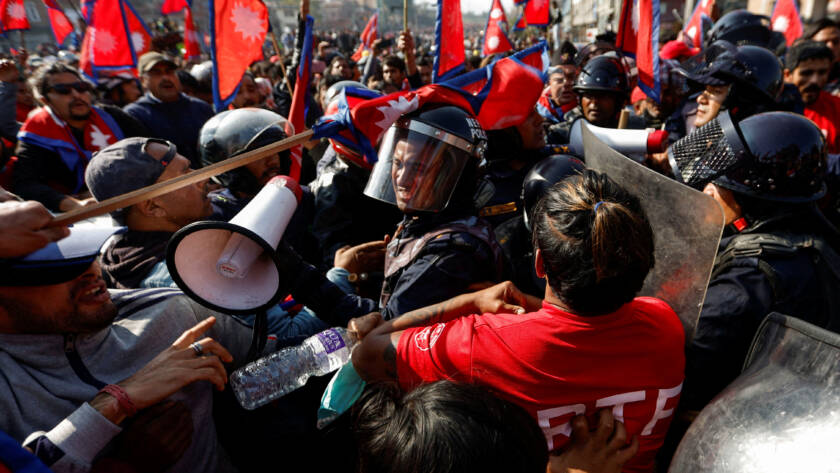
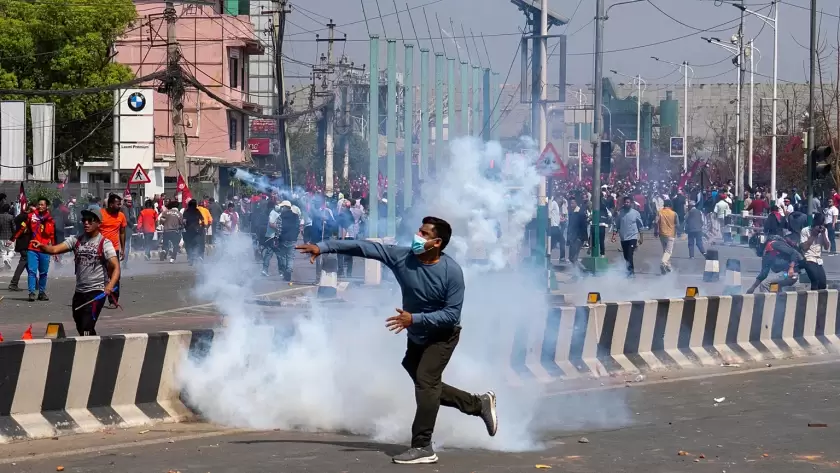
Centuries under the rule of a King, a Maoist overthrow, decades under corrupt civilian rule, Nepal’s take over by its people in September 2025 came overnight as its police gunned down over 19 youth. Many international media have portrayed the protest as a social media ban triggered Gen Z uprising, this is…
By Dr. Viranjana Herath
Recently, three South Asian nations, Sri Lanka, Bangladesh, and Nepal, have marked a significant chapter in modern world history through a theme of public uprising. In 2022, the people of Sri Lanka successfully ousted the top leaders of their government, President Gotabaya Rajapaksa and Prime Minister Mahinda Rajapaksa. Nevertheless, the new…