Skip to content Skip to sidebar Skip to footer

Economic Diplomacy

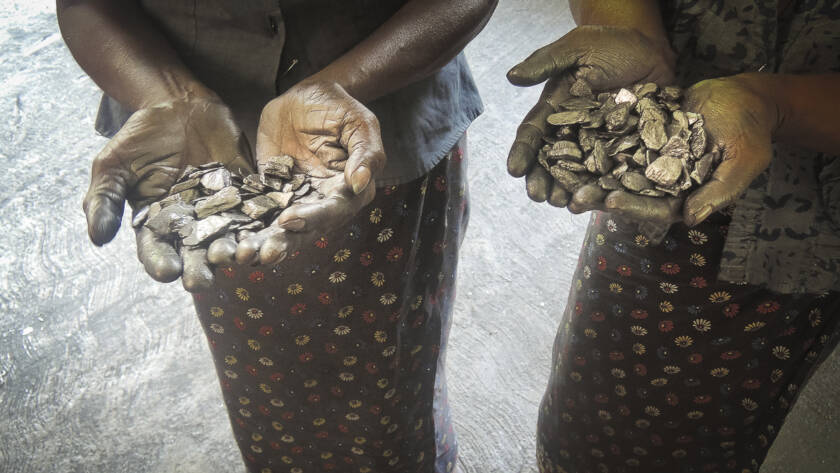
Sri Lanka’s new national mineral policy points the right way. But can the existing system deliver it?

Hasarel Gallage In June 2026, Sri Lanka launched its new National Mineral Policy after 27 years, proposing a national inventory of mineral resources, aiming for domestic value addition before export, and bringing seabed minerals into the policy's scope, something its 1999 predecessor did not do. On paper, this looks like real progress. But a policy…

Read More

Marine Technologies in the Maldives: Applications for Sri Lanka’s Maritime Protection

By Roshelle Fernando  The Maldives and Sri Lanka share a common challenge. Both depend heavily on the ocean for their economies, livelihoods, and national security, yet their maritime areas are far larger than their capacity to monitor them continuously. The Maldives, an archipelagic state with an extensive exclusive economic zone (EEZ), relies on the ocean…

Read More

From National Champions to Public Owners: What Dangote’s IPO Means for the Global South

Mark Dekpe Dangote’s “People’s IPO” widens access to a major African enterprise. Yet national belonging, share ownership, corporate control, and wealth redistribution are not the same. Across Africa and South Asia, large companies are often presented as symbols of national development and economic sovereignty. Their significance will depend on whether public identification becomes durable material…

Read More

Myths and realities of Sri Lanka’s proposed ban on raw mineral exports: What would it take for Sri Lanka to add value to its minerals?

Hasarel Gallage Sri Lanka's new National Mineral Policy presents a zealous ambition. By calling for a ban on exporting minerals without value addition, it provides an appealing target to maximise Sri Lanka’s profits earned from its mineral resources. But a closer look beyond the buzzwords reveals a more complicated picture marred by industrial realities and…

Read More

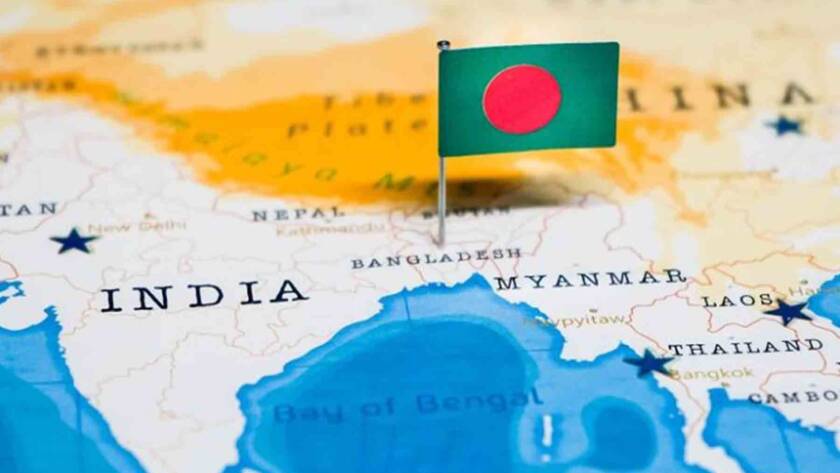
Balancing Powers: A New Direction for Bangladesh’s Foreign Policy

Kawsar Mia and Abdul Momen Bangladesh should stop treating foreign policy as a choice between rival camps. A more durable strategy is to build a diversified portfolio of partnerships, using different countries for trade, technology, connectivity, labour mobility and finance, while keeping strategic dependence on any single power to a minimum. Foreign Policy Should Be…

Read More

From Precarity to Modern Slavery: What Sri Lanka Needs to Know

By Gayani Samarakoon Precarious work remains a major global concern despite strong legal frameworks and multi-stakeholder initiatives such as International Labor Organization (ILO) conventions and the United Nations Sustainable Development Goals, which aim to promote decent work. Yet new, increasingly insecure forms of work continue to emerge. In Sri Lanka, platform work, operating…

Read More