By Vinod Moonesinghe
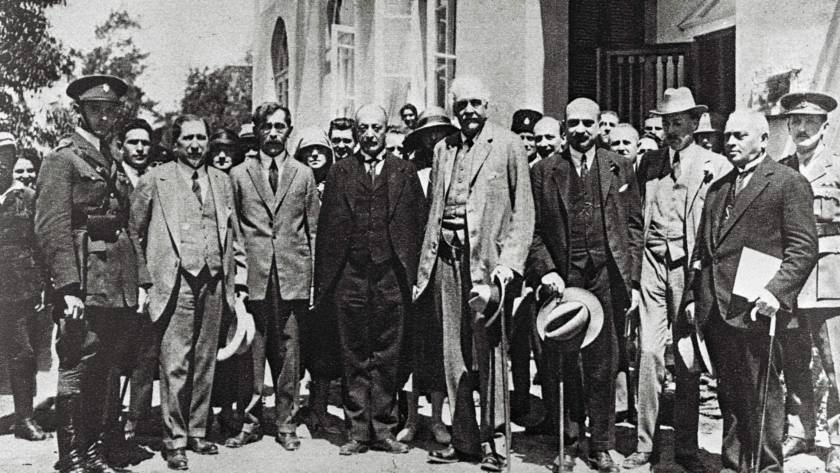
The history of Palestine is fraught with controversy, obscured by religion. Emigration and conversion to Christianity and Islam reduced the Jewish population: by the 1516 Ottoman Conquest, they comprised 2% of the population, with Muslims 85% and Christians 11%. Ottoman Palestine thrived, exporting soap, olive oil, sugar, barley, cotton and, from the…
By Rathindra Kuruwita
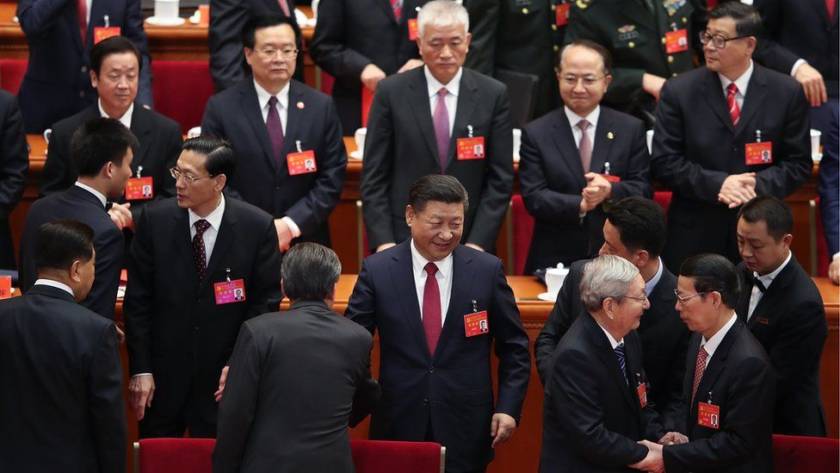
China changed its Constitution in 2018, abolishing term limits on the only top position it had limits on, the presidency. Following this move, certain commentators have been insisting that President Xi Jinping has transformed into a new Mao Zedong. This argument is based on their reading of certain events at the 20th…
By Uditha Devapriya
The Sri Lankan government has tasked the Lakshman Kadirgamar Institute to conduct a review of the country’s foreign relations. While officials have not yet come out with details, the review is set to include a reconsideration of Sri Lanka’s ties with various countries, in light of recent international developments. The Executive Director…
By P. K. Balachandran
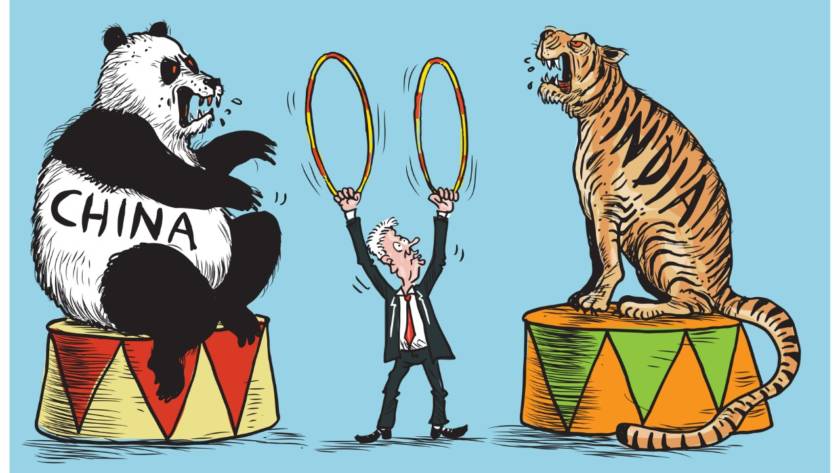
On the face of it, opting for “strategic autonomy” in a multi-polar world makes sense. It releases a country from the shackles of pre-existing alliances and enables it to take its decisions independently. It enables a country to navigate among antagonistic international groups and strike the best bilateral bargains. In the…
By Sanja de Silva Jayatilleka
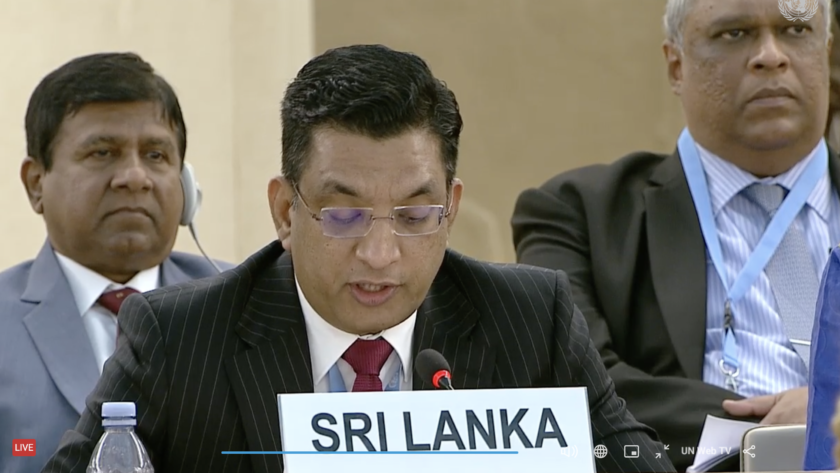
On the 6th of October 2022, a resolution on Sri Lanka was adopted at the UN Human Rights Council (UNHRC) in Geneva, by a vote of the 47 members of the Council, with 20 votes for the resolution, 7 against, and 20 abstentions. Resolution HRC/51/L1/Rev1 is the 9th resolution to…
By Lasanda Kurukulasuriya
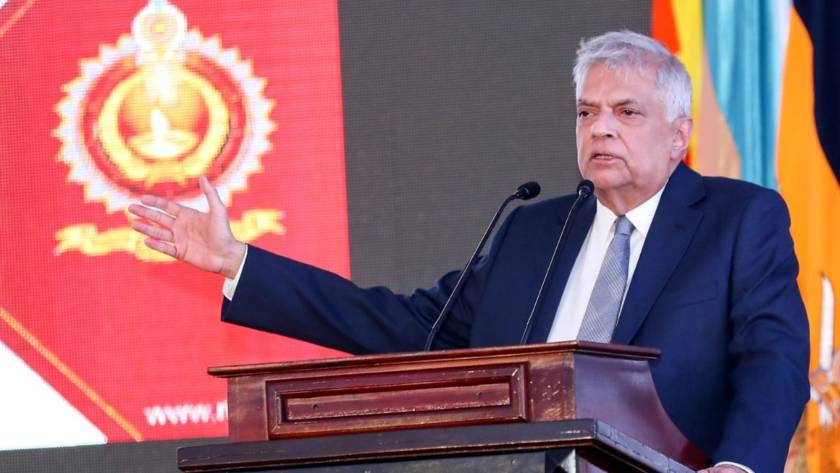
In a recent speech at the National Defence College, President Ranil Wickremesinghe made comments on the geopolitics of the Indian Ocean, some of which throw light on aspects of his approach to foreign policy - and others that point to some grey areas.
“The geopolitics of the Indian Ocean has unfortunately made…
By Dr Dayan Jayatilleka
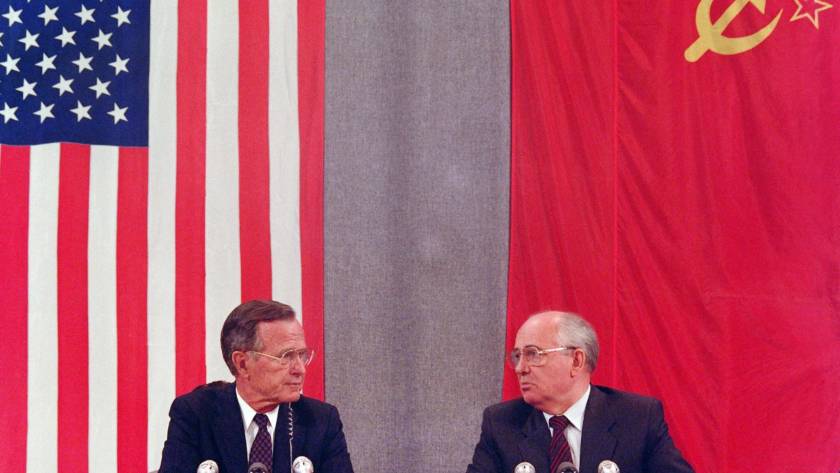
With the Ukraine war, which is actually a proxy war between NATO and Russia, in full swing, one cannot but help look back at how Russia got here. I had tried to pay a call on Mikhail Gorbachev while serving as Sri Lanka’s Ambassador to Russia, but had failed in my…
By Uditha Devapriya
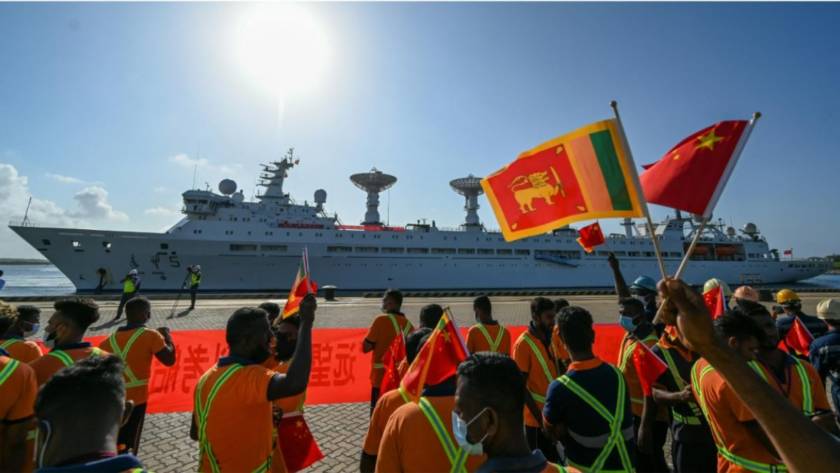
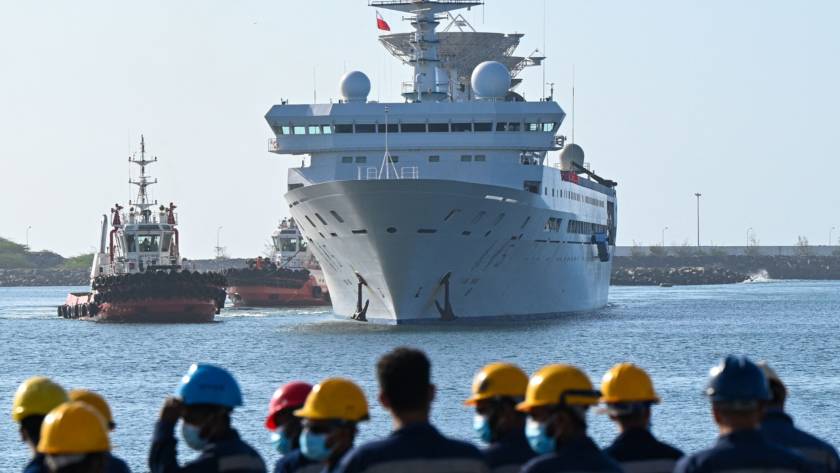
Sri Lanka’s economic woes have not cast a shadow over its complex foreign relations. On August 16, the southern port of Hambantota welcomed the Yuan Wang 5, a research vessel from China. While Colombo had asked for a deferral of the visit, it later relented and allowed the ship to dock until…
By Kusum Wijetilleke
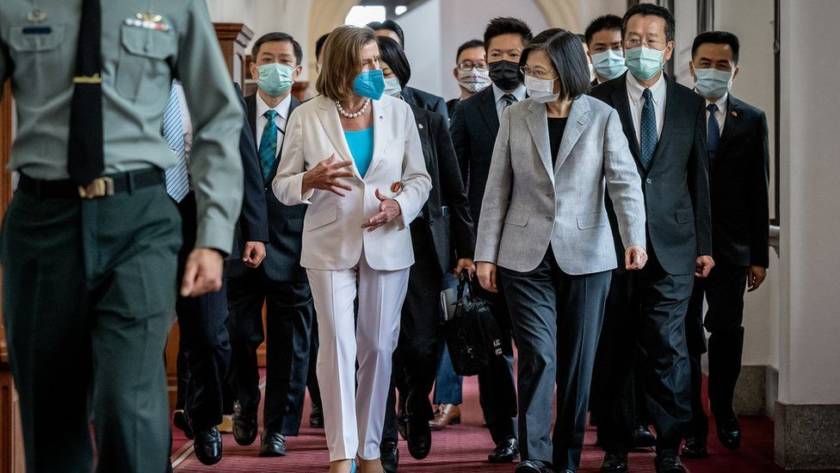
Following the first Sino-Japanese war in 1895, the Qing Dynasty ceded the island of Taiwan, creating Imperial Japan’s first colony. The Japanese had planned to create what it called a “model” colony, to showcase the benefits of “Japanization.” Roads and infrastructure were developed, as well as sanitation systems and a network of…
By Admiral Ravindra C. Wijegunaratne
A Chinese spy ship docking at the Hambantota Port has become news in Sri Lanka and India. Yet very few seem to be asking as to what exactly a spy ship is. Simply put, it is a ship dedicated for reconnaissance missions, especially electronic eavesdropping.
A considerable number of countries…
By Rathindra Kuruwita
The war in Ukraine is in its fifth month. After a few initial setbacks, due to underestimations of Ukrainian morale, the accuracy of Western signals intelligence, and Putin’s desire to minimize casualties, it seems that Russia is en route to achieving its objectives.
There’s no point discussing why Russia is winning. Russia…
By Dr Ranga Kalansooriya
When Russia invaded Ukraine in February this year, Ranil Wickremesinghe’s views on the resultant crisis differed somewhat from other MPs. Holding the one and only seat allocated to his party in Parliament, Wickremesinghe argued that Ukraine had antagonized Russia without seeking a peaceful diplomatic solution, and that the West played a…