By Sasindi Fernando
When Belgium’s De Wever confirmed that the U.S. was an ally but had to ‘behave like an ally’ at the WEF in Davos earlier this year, he was not simply lamenting the fraying of a strategic partnership, but a structural divergence of priorities within the transatlantic bond. Europe was still reeling…
By Bihandu De Silva
For nearly eighty years, the bedrock of global stability was a series of predictable, if sometimes strained, alliances centered on Washington. To be an ally of the United States was to participate in a shared legal and economic ecosystem - a world defined by the "rules-based order." However, as the second Trump administration settled into power, that…
By Uthpala Wijesooriya
The night sky over Kabul on October 9, 2025, was torn apart by explosions. The unacknowledged airstrikes, which Islamabad later framed as a counter-terrorism operation targeting the leader of the Tehreek-e-Taliban Pakistan (TTP), were a shocking escalation. For the first time, a regional power had struck the Afghan capital. The Taliban’s response…
By Deveen Balasuriya
France, once viewed as a cornerstone of European political stability, is currently enduring one of the most chaotic times in its recent democratic history. In less than two years, the country has cycled through five prime ministers, each falling due to the same persistent issue; a divided parliament and a fragmented electorate…
By Sarala Hapugalle
In 2022, a video of Ukrainian President Zelensky was shared, urging troops to lay down their arms and surrender to Russia. In the 2024 US election, another video was circulated - this time of President Joe Biden - seemingly encouraging democrats not to vote in the presidential primary elections and to instead…
By Dr. Viranjana Herath
Recently, three South Asian nations, Sri Lanka, Bangladesh, and Nepal, have marked a significant chapter in modern world history through a theme of public uprising. In 2022, the people of Sri Lanka successfully ousted the top leaders of their government, President Gotabaya Rajapaksa and Prime Minister Mahinda Rajapaksa. Nevertheless, the new…
By Madhuka Rukmalgama
Introduction
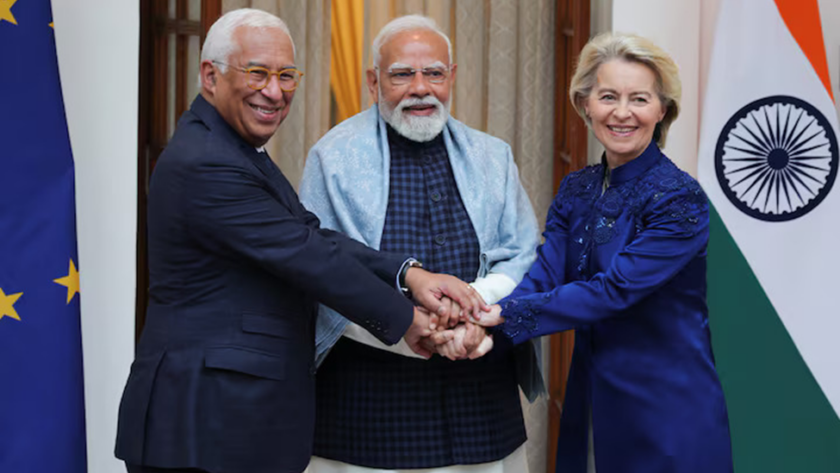
In 2025, Washington’s decision to dramatically increase tariffs on Indian goods up to 50 per cent, sent shockwaves across markets and strategic capitals alike. Initially targeted at curbing New Delhi’s Russian oil purchases and addressing trade imbalances, the move is producing unanticipated diplomatic reverberations. Rather than consolidating India's ties with the…
By Chenuka Elwitigala
Introduction to Right-Wing Populism
Right-wing populism refers to the political ideology which unifies right-wing politics with the populist rhetoric often dubbed as right-wing nationalism. This rhetoric often reflects the anti-establishment sentiment in politics objecting to the elite capture of power in government and opposing establishment media escalating disconnection from the real people…
By Dinouk Colombage
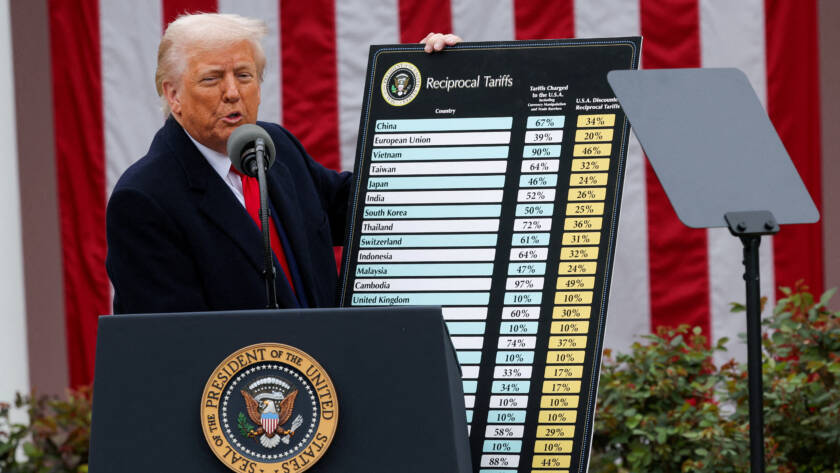
The recently announced tariff rates by US President Donald Trump have left many countries either unimpressed or breathing a sigh of relief for what some would describe as merely “a stay of execution.” 69 trading partners have been presented with revised tariffs, ranging from 50 to 10 percent, with the median being…
By Ramindu Perera
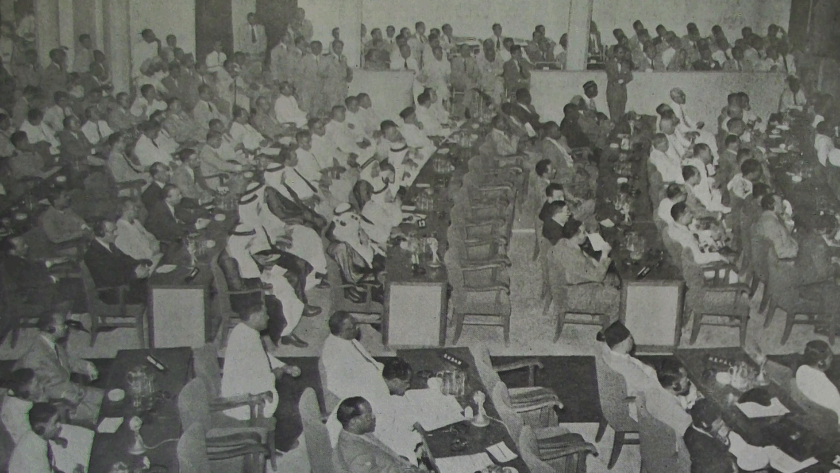
This year marks the 70th anniversary of the 1955 historic Afro-Asian Conference convened in the city of Bandung, Indonesia. The conference brought together delegates from 29 countries representing Asia and Africa. Most of them were newly independent states, having recently emerged from colonial rule.
During the conference, delegates deliberated on the need…
By Dinouk Colombage
Coated under the guise of economic rebalancing, the US tariffs have been described as a complete disregard of the rule-based order (RBO) that has governed global politics since the conclusion of the Second World War.
On April 2, Donald Trump unveiled what he termed “reciprocal tariffs” for over 90 countries including China,…
By Niruni de Mel
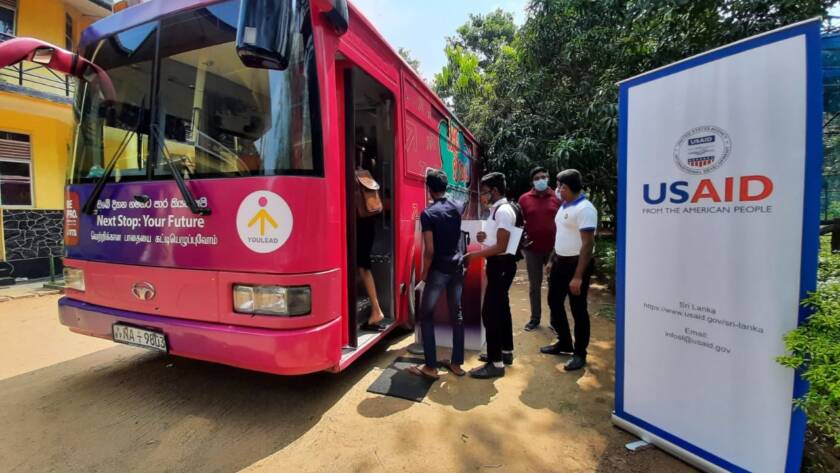
Imagine a rural community in Sri Lanka where a once-thriving agricultural initiative suddenly comes to a halt. Farmers who relied on USAID-funded fertilizer support are left struggling, and a crucial supply chain begins to crumble.
This is one example of the tangible impact of USAID’s withdrawal from Sri Lanka – a…