By Jayson Cainglet
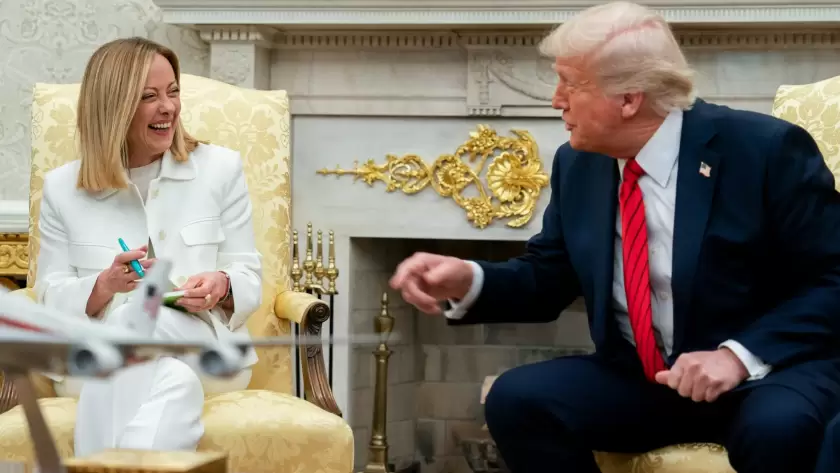
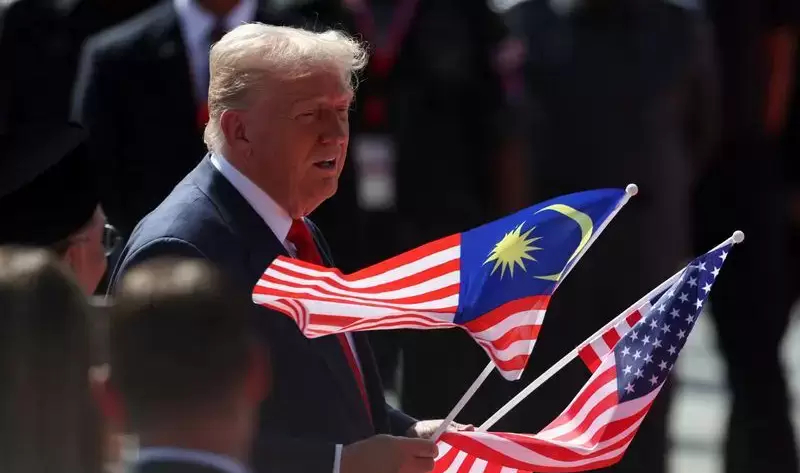
When U.S. President Donald Trump returned to the world stage at the 47th ASEAN Summit in October, his message was loud and clear: America is open for business—but only on his terms.
While headlines focused on the spectacle of Trump’s renewed bravado and China’s call for free trade, the real action happened behind closed doors. In…
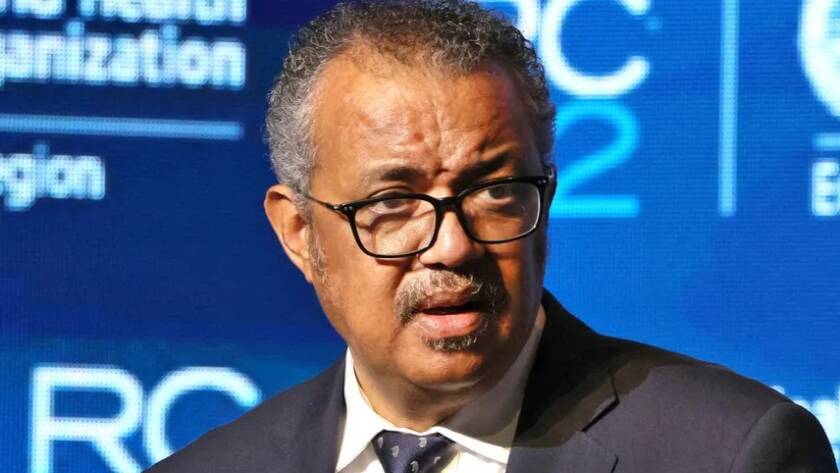
By Gerard Dinith Mendis
“With rare exceptions, all of the most important achievements will come from working with others, or, in better words, in service to others.” — Paul Farmer
Few nations have embodied that conviction more fully than Sri Lanka. Long before global health equity became the language of conferences and frameworks, the…
By Dinouk Colombage
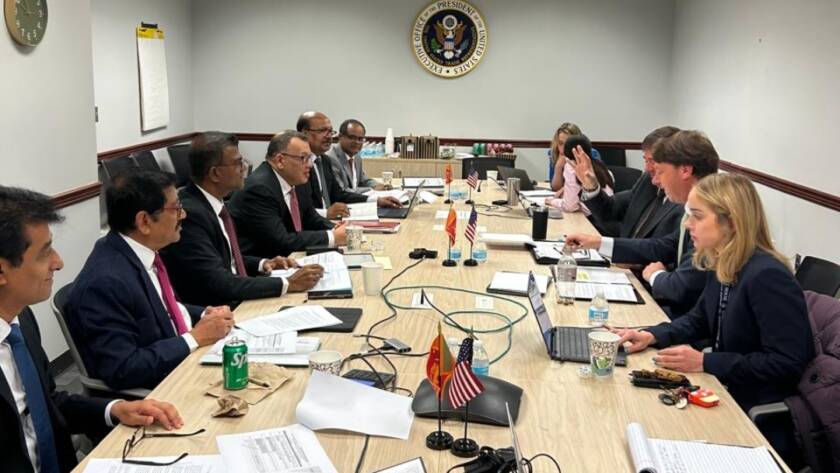
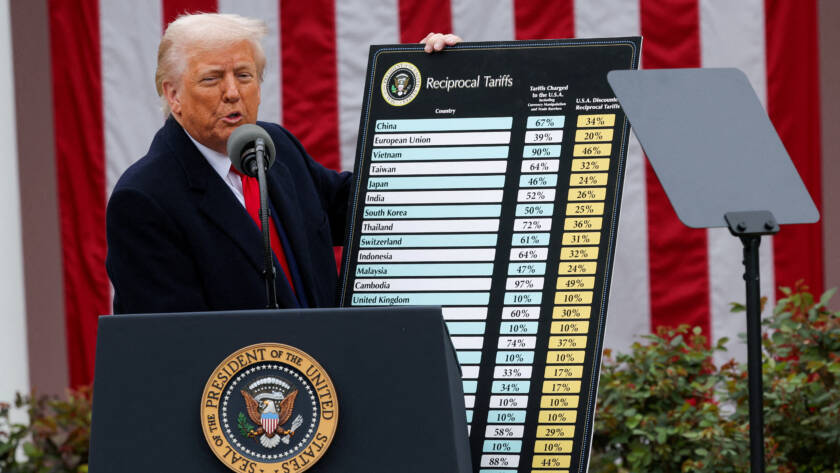
The recently announced tariff rates by US President Donald Trump have left many countries either unimpressed or breathing a sigh of relief for what some would describe as merely “a stay of execution.” 69 trading partners have been presented with revised tariffs, ranging from 50 to 10 percent, with the median being…
By Nimendra Mawalagedara
The recently imposed US tariffs on Sri Lanka are not merely an economic challenge - they are a signal of a transformation in the contemporary global political landscape.
These tariffs should not be understood merely as trade measures, but also as political symbols that reflect the Trump administration’s broader diplomatic style, characterized…
By Lahiru Thilakarathna
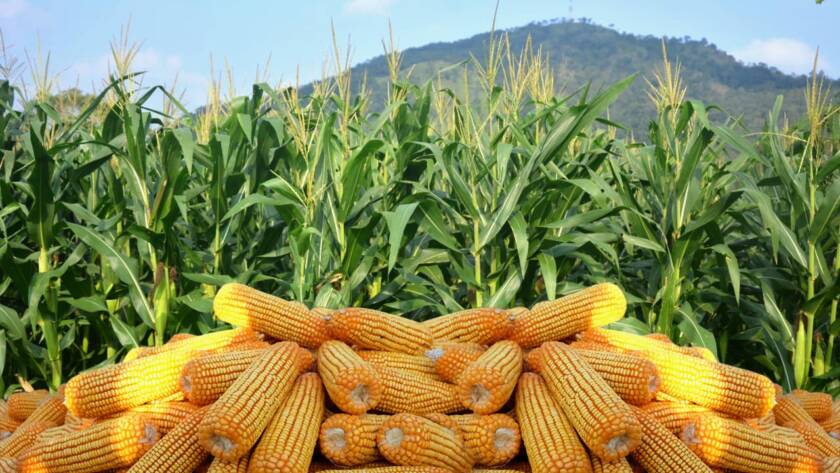
Is the Sri Lankan agrifood export sector in trouble due to the ongoing tariff encounters with the United States, and if so, to what extent?
The answer depends on several factors, and a precise quantitative forecast of the effects is not possible given insufficient data. However, a general forecast of outcomes can…
By Dinouk Colombage
Coated under the guise of economic rebalancing, the US tariffs have been described as a complete disregard of the rule-based order (RBO) that has governed global politics since the conclusion of the Second World War.
On April 2, Donald Trump unveiled what he termed “reciprocal tariffs” for over 90 countries including China,…
By Uditha Devapriya
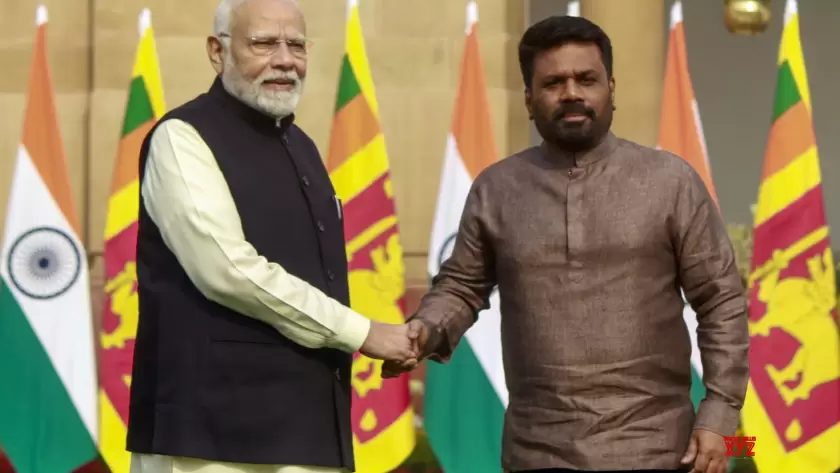
Indian Prime Minister Narendra Modi is set to land in Sri Lanka on Friday, April 4. Over the next two days he is expected to engage with the Sri Lankan government over several agreements and pacts, encompassing trade, health, education, energy, and of course defense.
News reports point to six agreements in…
By Sachintha Pilapitiya
Sri Lanka has often stressed its principle of "friendship towards all, enmity towards none" in its diplomacy. In 2024, under two ideologically contrasting governments, Sri Lanka reflected the possibility of maintaining this foreign policy goal intact.
In this article, I conduct a short review of Sri Lanka’s foreign policy in 2024, followed…
By Gerard Dinith Mendis
In an age where scientific breakthroughs define the trajectory of human progress, a concerning global trend has emerged: skepticism toward science and the resurgence of superstitious rhetoric in political leadership. Leaders are increasingly leaning on pseudoscience and cultural mysticism, often at the expense of evidence-based policymaking.
This shift not only threatens…
By Aarón Antonio Arreola Burgos
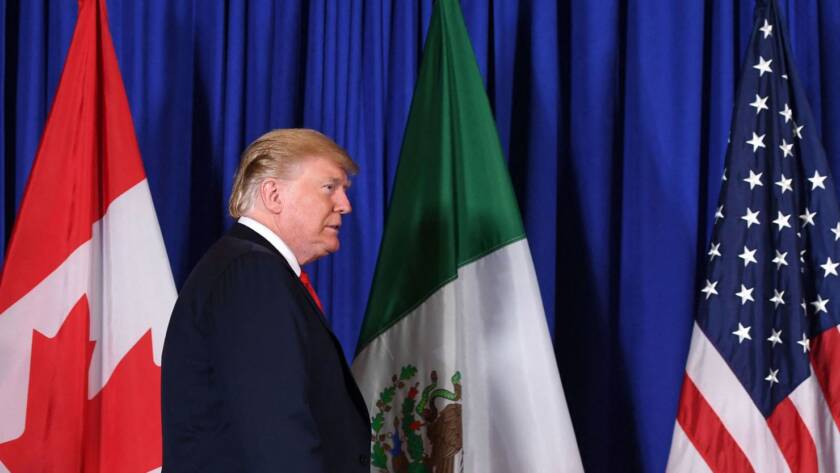
International trade is undergoing profound changes driven by geopolitical tensions, protectionist dynamics, and an increasing regionalization of supply chains. In this context, trade relations between Mexico and North America play a pivotal role, with the United States-Mexico-Canada Agreement (USMCA) as the cornerstone of economic integration.
However, the prospect of a…
By Kividi Koralage
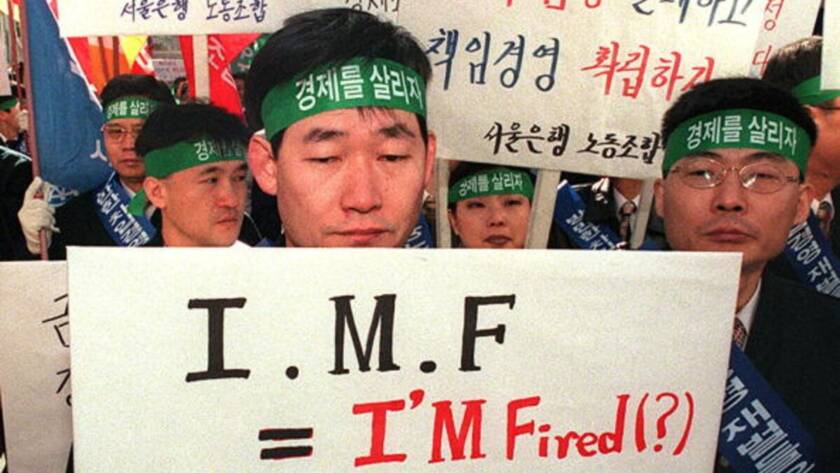
Malaysia’s economic journey during the Asian financial crisis (1997-1998) and its resistance to International Monetary Fund assistance offer significant lessons to Sri Lankans today, as Sri Lanka navigates its economic challenges marked by high debt, inflation, and declining foreign reserves. Understanding Malaysia’s approach to crisis management can provide key insights into balancing…
By Shiran Illanperuma
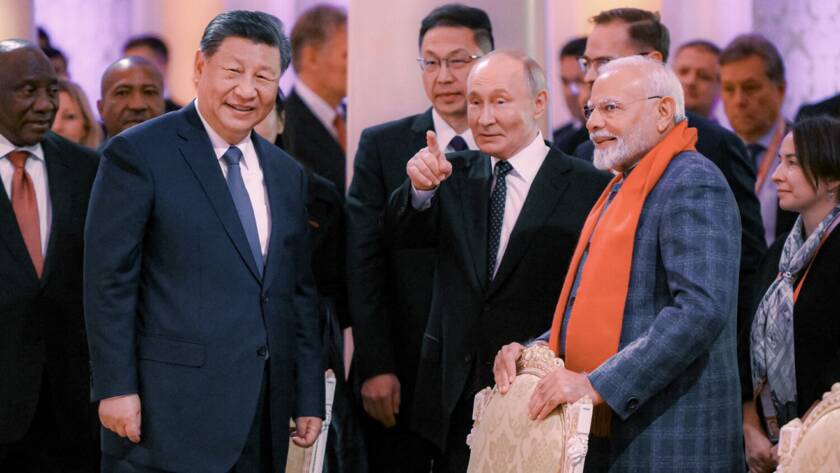
From October 22 to 24, the 16th BRICS summit was held in Kazan, Russia. Alongside the core group members of Brazil, Russia, India, China, and South Africa, this year saw the formal addition of Egypt, Ethiopia, Iran, and the United Arab Emirates. During the summit, another 13 countries, including Malaysia, Indonesia, Thailand,…